
Shopify vs WooCommerce vs Wix — Which Platform Will Make You the Most Profit?
Choosing the right eCommerce platform is crucial for maximizing profits. Shopify, WooCommerce, and Wix each have unique advantages and limitations. This guide breaks down costs, scalability, features, and marketing capabilities to help you decide which platform will grow your online business most efficiently.
12/4/20252 min read
Why Choosing the Right Platform Matters
Your eCommerce platform is the backbone of your online business. It affects:
Startup and monthly costs
Ease of managing orders, inventory, and customers
Marketing and SEO potential
Long-term scalability and profit margins
Picking the wrong platform can slow growth, increase costs, and reduce profits. Let’s see how Shopify, WooCommerce, and Wix compare.
Shopify — The All-in-One eCommerce Powerhouse
Overview: Shopify is a hosted platform designed specifically for online stores. It handles hosting, security, and updates for you.
Pros:
Quick setup with pre-built themes
Integrated payment gateway (Shopify Payments)
Large app store for marketing, shipping, and automation
Excellent 24/7 support
Cons:
Monthly fees start around $39 and increase with add-ons
Transaction fees if you don’t use Shopify Payments
Less flexible for content-heavy sites compared to WordPress
Profit Potential:
Best for businesses looking to scale quickly
Automation apps and integrated marketing tools save time and increase conversions
Predictable costs make budgeting easier
WooCommerce — Flexibility & Control with WordPress
Overview: WooCommerce is a free plugin for WordPress. It requires self-hosting but offers full control over your store.
Pros:
Fully customizable — great for unique store designs
Large ecosystem of plugins and integrations
No platform transaction fees
Ideal for content-driven eCommerce
Cons:
Requires hosting and maintenance
Learning curve can be steep for beginners
Plugins can add to cost and complexity
Profit Potential:
Excellent for businesses wanting maximum control over branding and SEO
Lower platform costs mean higher potential margins if managed well
Flexible for businesses combining blogging and eCommerce
Wix — Simple and Visual, But Limited for Scale
Overview: Wix is a drag-and-drop website builder that now supports eCommerce. It’s ideal for beginners with small stores.
Pros:
Very easy to use — no coding required
Beautiful templates for quick store setup
Built-in SEO tools for small sites
Affordable monthly plans
Cons:
Limited scalability for larger stores
Less advanced automation and marketing integrations
Transaction fees on lower plans
Customization is restricted compared to Shopify/WooCommerce
Profit Potential:
Best for small, simple stores or hobby businesses
Quick setup allows faster launch but may limit long-term growth
Fewer advanced tools may reduce efficiency for bigger operations
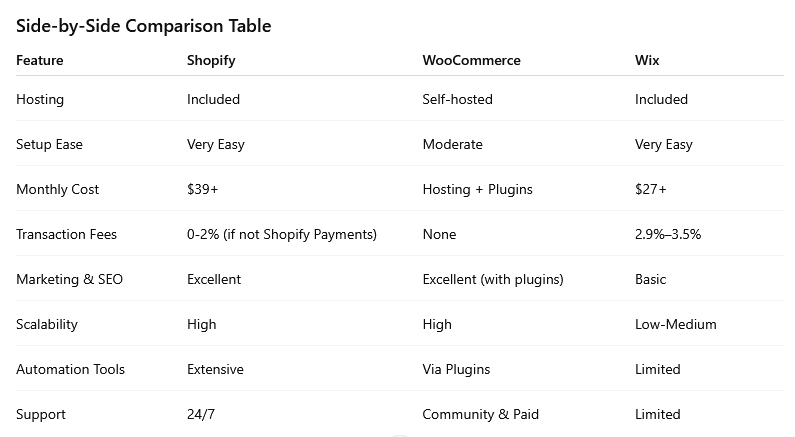
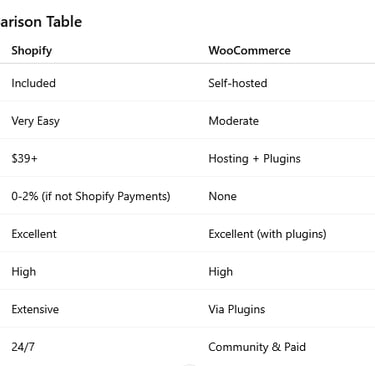
Which Platform Makes You More Profit?
For fast-growing stores with less tech setup: Shopify is the winner. Predictable costs + powerful apps = higher efficiency and better ROI.
For content-driven or custom stores: WooCommerce offers flexibility and lower fees — potential profit depends on your tech management skills.
For small stores or beginners: Wix is the quickest way to launch, but scaling may require switching platforms later.
Key Profit Tip: Use automation, email marketing, and integrated payment solutions to maximize sales no matter the platform. Time saved = money earned.
Final Thoughts
Choosing the right eCommerce platform depends on your business size, technical comfort, and growth goals. Shopify is ideal for scaling and automation, WooCommerce for full control and SEO, and Wix for simplicity and small stores.
The platform itself isn’t the only factor — your marketing strategy, product quality, and customer service are what ultimately determine profit. Start with the platform that fits your current business needs, but plan for growth from day one.
Online AI Experts
Innovative AI services for business automation needs.
Contact
Contact
Email Us :
© 2025. All rights reserved.